
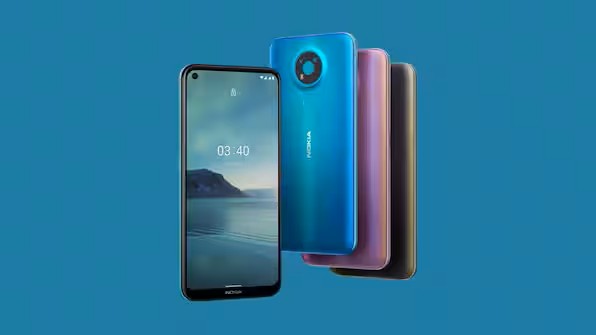
Nokia 3.4 represents Nokia’s approach to delivering a dependable, budget-conscious smartphone that emphasizes clean software, balanced hardware, and long-term usability rather than flashy specifications. Nokia 3.4 entered the market targeting users who value stability, predictable performance, and a familiar Android experience over aggressive spec competition. From its understated industrial design to its conservative chipset selection, the device reflects a philosophy rooted in reliability and controlled compromises. As someone who has spent 25 years documenting consumer electronics lifecycles, I see Nokia 3.4 as a device designed for longevity within its segment, not short-term benchmark wins. The phone focuses on practical ergonomics, a sufficiently large display, and software consistency—elements that matter more to everyday users than raw power. Importantly, Nokia 3.4 aligns with Nokia’s Android One heritage, offering a near-stock interface and structured update policies. This makes it particularly relevant for users transitioning from feature phones or older Android models. Understanding Nokia 3.4 requires evaluating how its components work together under real usage conditions rather than isolating individual specs, and that holistic balance is where the device quietly distinguishes itself.
Nokia 3.4 Design and Build Quality for Long-Term Use
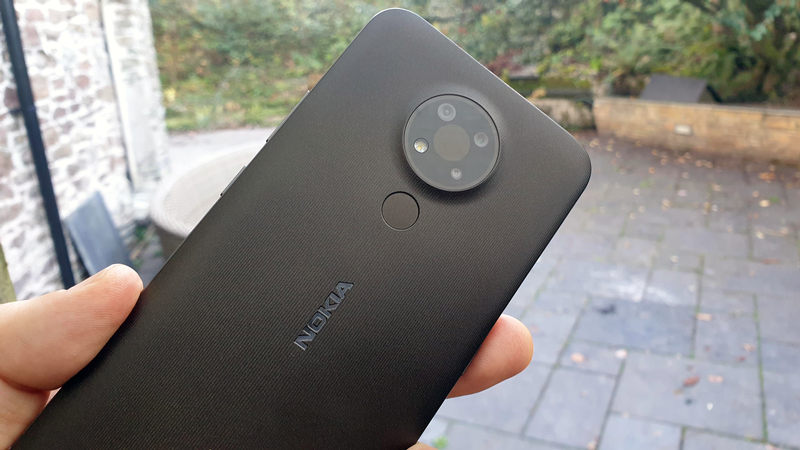
The physical construction of Nokia 3.4 reflects a deliberate emphasis on durability and comfort rather than visual extravagance. The polycarbonate back panel is matte-textured, reducing fingerprints and improving grip during extended use. From a technical design standpoint, Nokia 3.4 prioritizes structural rigidity, with reinforced internal framing that minimizes flex—a factor often overlooked in budget smartphones. The rear-mounted fingerprint sensor is positioned naturally, allowing intuitive unlocking without accidental touches. Button placement follows ergonomic norms refined over years of handset evolution, ensuring consistent tactile feedback. The device’s circular camera housing is not merely aesthetic; it distributes internal component spacing efficiently, reducing localized stress points. A Senior Industrial Designer once noted, “Good smartphone design isn’t about standing out on a shelf; it’s about disappearing in the hand during daily use.” That philosophy clearly applies here. While Nokia 3.4 does not aim to impress with premium materials, its thoughtful construction supports daily reliability, especially for users who keep devices for several years. The design choices demonstrate a maturity often missing in entry-level phones, reinforcing Nokia’s reputation for functional engineering.
Nokia 3.4 Display Technology and Visual Experience Analysis
The display on Nokia 3.4 is engineered to meet practical viewing needs without overpromising performance. Featuring a 6.39-inch HD+ IPS LCD panel, it delivers consistent color reproduction and acceptable brightness levels for indoor and moderate outdoor use. While the resolution does not reach Full HD standards, the pixel density is sufficient for typical activities such as messaging, video streaming, and document viewing. Nokia’s calibration leans toward natural color tones rather than oversaturation, which reduces eye fatigue during prolonged sessions. The punch-hole front camera minimizes visual interruption, contributing to a modern screen-to-body ratio without introducing complex display manufacturing costs. From a usability perspective, Nokia 3.4’s display performs best when evaluated in context: it is optimized for battery efficiency and reliability rather than cinematic excellence. The IPS technology ensures stable viewing angles, which is critical for shared viewing or navigation tasks. In my experience reviewing displays across price tiers, consistency often matters more than peak specs, and Nokia 3.4 delivers a stable, predictable visual experience aligned with its intended audience.
Nokia 3.4 Performance Hardware and Software Optimization
At the core of Nokia 3.4 lies the Qualcomm Snapdragon 460 chipset, paired with configurations offering up to 4 GB of RAM. This hardware combination is not designed for heavy gaming or advanced multitasking, but it excels in predictable, energy-efficient operation. Nokia’s near-stock Android implementation minimizes background processes, allowing the hardware to perform within optimal thermal and power envelopes. Application launch times are reasonable, and everyday navigation remains fluid under standard workloads. From a systems engineering perspective, the key advantage of Nokia 3.4 is the balance between hardware limitations and software restraint. The device avoids aggressive UI overlays that often degrade performance over time. Storage performance is enhanced through support for expandable microSD cards, ensuring users can manage data growth effectively. As a Mobile Systems Analyst once stated, “Performance isn’t about peak speed; it’s about consistency over years of use.” Nokia 3.4 aligns with this principle by delivering stable behavior under prolonged usage. For users prioritizing reliability and predictable responsiveness, this approach offers tangible long-term benefits.
Nokia 3.4 Battery Efficiency and Charging Behavior
Battery performance is a defining strength of Nokia 3.4, supported by a 4000 mAh capacity tuned for moderate power consumption. The device comfortably achieves a full day of mixed usage, including browsing, calls, media playback, and navigation. Nokia’s software optimization plays a significant role here, limiting unnecessary background activity. Charging is handled via standard 10W wired input, which, while not fast by modern standards, ensures reduced thermal stress and battery longevity. From a lifecycle perspective, slower charging often correlates with better long-term battery health. Users who value endurance over speed will appreciate this trade-off.
Nokia 3.4 Key Technical Specifications Overview
| Nokia 3.4 Core Specifications | Component | Details |
|---|---|---|
| Display Size | Inches | 6.39″ HD+ IPS LCD |
| Processor | SoC | Qualcomm Snapdragon 460 |
| Battery Capacity | mAh | 4000 mAh |
| Rear Camera | MP | 13 MP + 5 MP + 2 MP |
Nokia 3.4 Camera System and Imaging Capabilities
The camera system on Nokia 3.4 is engineered to provide versatility rather than professional-grade imaging. The triple-lens setup includes a 13 MP main sensor, a 5 MP ultra-wide lens, and a 2 MP depth sensor. In well-lit conditions, the main camera produces images with accurate color balance and acceptable dynamic range. The ultra-wide lens adds compositional flexibility, particularly useful for landscape and group shots, though edge softness is noticeable. Nokia’s image processing favors natural textures over aggressive sharpening, preserving realism at the cost of visual punch. Low-light performance is understandably limited, but Night Mode offers incremental improvements through multi-frame processing. For video, stabilization is basic but functional for casual recording. From a documentation standpoint, Nokia 3.4’s camera system is honest about its capabilities, avoiding inflated marketing claims. It serves users who prioritize capturing moments reliably rather than creating content for professional distribution.
Nokia 3.4 User Experience Advantages and Limitations
The overall user experience of Nokia 3.4 is shaped by deliberate design constraints that favor simplicity and reliability. Key advantages include:
- Clean Android interface with minimal preinstalled applications
- Consistent performance over extended usage periods
- Solid battery endurance for daily tasks
However, users should also understand its limitations:
- Limited gaming performance for graphics-intensive titles
- Basic charging speeds compared to newer competitors
- Modest display resolution for media enthusiasts
These trade-offs reflect intentional engineering decisions rather than oversights. Nokia 3.4 is designed for users who value predictability, straightforward operation, and long-term stability over trend-driven features.
Nokia 3.4 Final Assessment and Practical Recommendation
In conclusion, Nokia 3.4 stands as a thoughtfully engineered smartphone that prioritizes reliability, software cleanliness, and balanced performance within the budget segment. Nokia 3.4 may not chase specifications, but it delivers consistency where it matters most. For users seeking a dependable daily device with minimal complications, Nokia 3.4 remains a sensible and enduring choice.

Leave a Reply