
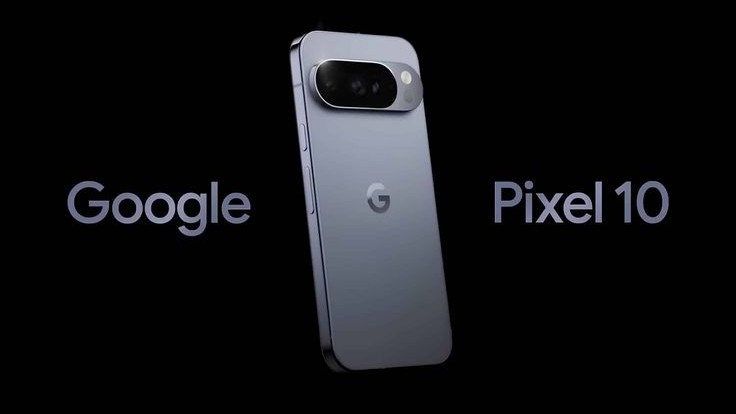
The Google Pixel 9 is a flagship smartphone that elevates mobile photography with its groundbreaking AI lens technology, combining advanced hardware with intelligent software to deliver unparalleled image quality and user experience.
Designed for enthusiasts and professional photographers alike, the Pixel 9 pushes the boundaries of computational photography, enabling users to capture stunning photos and videos in diverse environments.
With improvements in processing power, sensor capabilities, and AI-driven features, the Google Pixel 9 stands as the epitome of innovation in mobile imaging for 2025.
Imaging Hardware and Sensor Upgrades on Google Pixel 9
At the core of the Google Pixel 9’s photography prowess is a newly engineered sensor suite designed to enhance clarity, color reproduction, and light sensitivity.
The device features a 50MP Sony IMX858 primary sensor with larger pixels for superior low-light capture, paired with a 48MP ultra-wide sensor and a 12MP telephoto lens supporting 5x optical zoom.
Each sensor is complemented with advanced optical image stabilization and laser autofocus technologies to ensure sharp, blur-free images.
The main sensor’s improved dynamic range and color fidelity are achieved through a 10-bit color pipeline, allowing richer and more accurate photo and video captures that satisfy demanding creative professionals.
The ultra-wide sensor offers a 114-degree field of view, enabling expansive landscape shots and immersive group photos, while the telephoto lens’s versatility facilitates close-ups and portrait photography with bokeh enhancement.
Read more: One Plus 13
AI Lens Technology: Transforming Photography on the Google Pixel 9
The defining feature of the Google Pixel 9 is its AI lens technology, a fusion of machine learning models embedded in the device’s Google Tensor G3 chipset and the Pixel Visual Core.
This AI lens dynamically analyzes scenes and object details, automatically optimizing exposure, contrast, and noise reduction in real time to produce studio-quality images.
The AI-powered features include:
- Real-time scene segmentation that isolates subjects from backgrounds for superior portrait effects.
- Multi-frame processing to combine multiple exposures, delivering vibrant colors and minimizing motion blur.
- Adaptive HDR+ which expands dynamic ranges based on the lighting context.
- Night Sight improvements for clearer nocturnal photography without loss of detail.
These enhancements enable users to take professional-grade photos effortlessly, with the AI lens compensating for challenges such as low light, fast movement, and complex lighting situations.
Display and User Interface Innovations
The Google Pixel 9 sports a 6.3-inch Smooth Display, OLED panel with a 120Hz refresh rate and 1080 x 2400-pixel resolution.
The display provides vivid color reproduction and HDR10+ support, ensuring that photographs and videos are shown with lifelike accuracy.
The pixel-optimized user interface, backed by AI-assisted gesture recognition and voice commands, provides intuitive control over shooting modes and camera settings.
The Pixel Camera app integrates AI-driven suggestions offering composition tips, scene modes, and smart zoom predicted by user behavior analysis.
User privacy is protected through on-device AI inference, ensuring sensitive data like face recognition metadata remains local to the device.
Comparative Specifications and Performance Table
| Feature | Google Pixel 9 | Competitor OnePlus 13 | Competitor Samsung S25 |
| Main Camera Sensor (MP) | 50 MP Sony IMX858 | 50 MP Sony IMX890 | 200 MP ISOCELL GN2 |
| Ultra-Wide Sensor (MP) | 48 MP | 50 MP | 12 MP |
| Telephoto Sensor (MP) | 12 MP (5x optical) | 2 MP Macro | 10 MP (3x optical) |
| Processor | Google Tensor G3 | Snapdragon 8 Gen 2 | Snapdragon 8 Gen 2 |
| RAM | 12 GB LPDDR5X | 16 GB LPDDR5X | 12 GB LPDDR5 |
| Battery Capacity (mAh) | 4355 | 5000 | 5000 |
| Maximum Charging Speed | 30W wired, 23W wireless | 100W wired, 50W wireless | 45W wired, 15W wireless |
| Video Recording | 4K 60fps HDR+ | 8K 30fps | 8K 30fps |
This comparison highlights the Pixel 9’s focus on computational photography and balanced power efficiency amidst stiff competition.
AI Lens Benefits: Practical Advantages for Everyday Photography
- Enables exceptional low-light photography without flash.
- Delivers seamless automatic adjustments, eliminating manual configurations.
- Provides accurate color rendering closer to human vision.
- Offers enhanced zoom quality by intelligently combining optical and digital magnification.
- Improves image stabilization for smooth and sharp videos.
Steps to Utilize AI Lens Features on Google Pixel 9
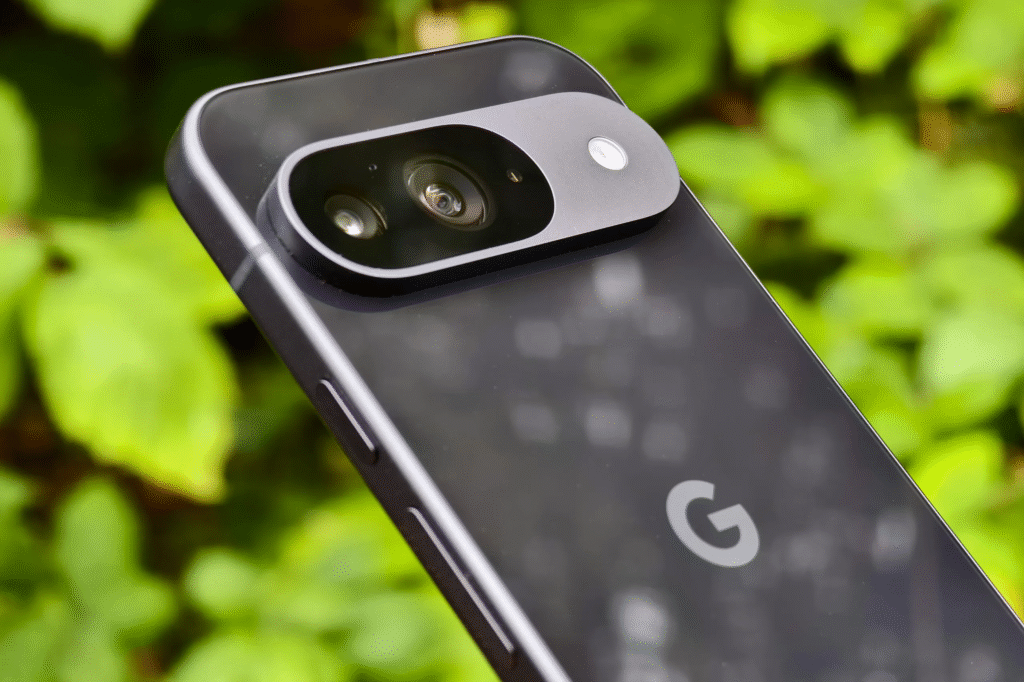
- Launch the Pixel Camera app and activate AI-enhanced modes such as Night Sight or HDR+.
- Utilize portrait mode for AI-assisted depth effects.
- Use Smart Compose suggestions for framing and applying filters.
- Record videos with real-time stabilization enabled.
- Regularly update the device to gain access to the latest AI improvements.
Software Support and Updates
Google’s commitment to continuous software refinement is demonstrated by frequent updates to Pixel-exclusive features.
The Google Pixel 9 benefits from the latest Android 15 ecosystem enhancements alongside proprietary AI algorithms that improve the Photos and Camera apps, ensuring users consistently gain access to state-of-the-art photography tools and performance optimizations.
Expert Opinion
“The Google Pixel 9 sets a new standard in mobile photography by combining cutting-edge sensors with highly intelligent AI processing.”
says a Senior Imaging Architect.
Conclusion
The Google Pixel 9 elevates mobile photography with its AI lens, creating an unmatched balance of hardware innovation and intelligent software that redefines smartphone imaging in 2025.
It excels across versatile photographic use cases while maintaining efficient power consumption and user-friendly operation.
For anyone seeking a premium device focused on delivering superior photo and video quality, the Google Pixel 9 emerges as a top contender in the modern smartphone landscape.

Leave a Reply